Customers and contacts
Synchronize account details, branches and addresses.
Connected Enterprise
Connect field work with Odoo, then shape the wider integration around your business. We provide tailored API integration services for ERP, accounting, CRM, inventory, e-commerce and custom applications. Each project defines the data, workflows and available interfaces needed to connect your systems.
ODOO NATIVE
Keep field work inside the same business context instead of creating a disconnected system.
Synchronize account details, branches and addresses.
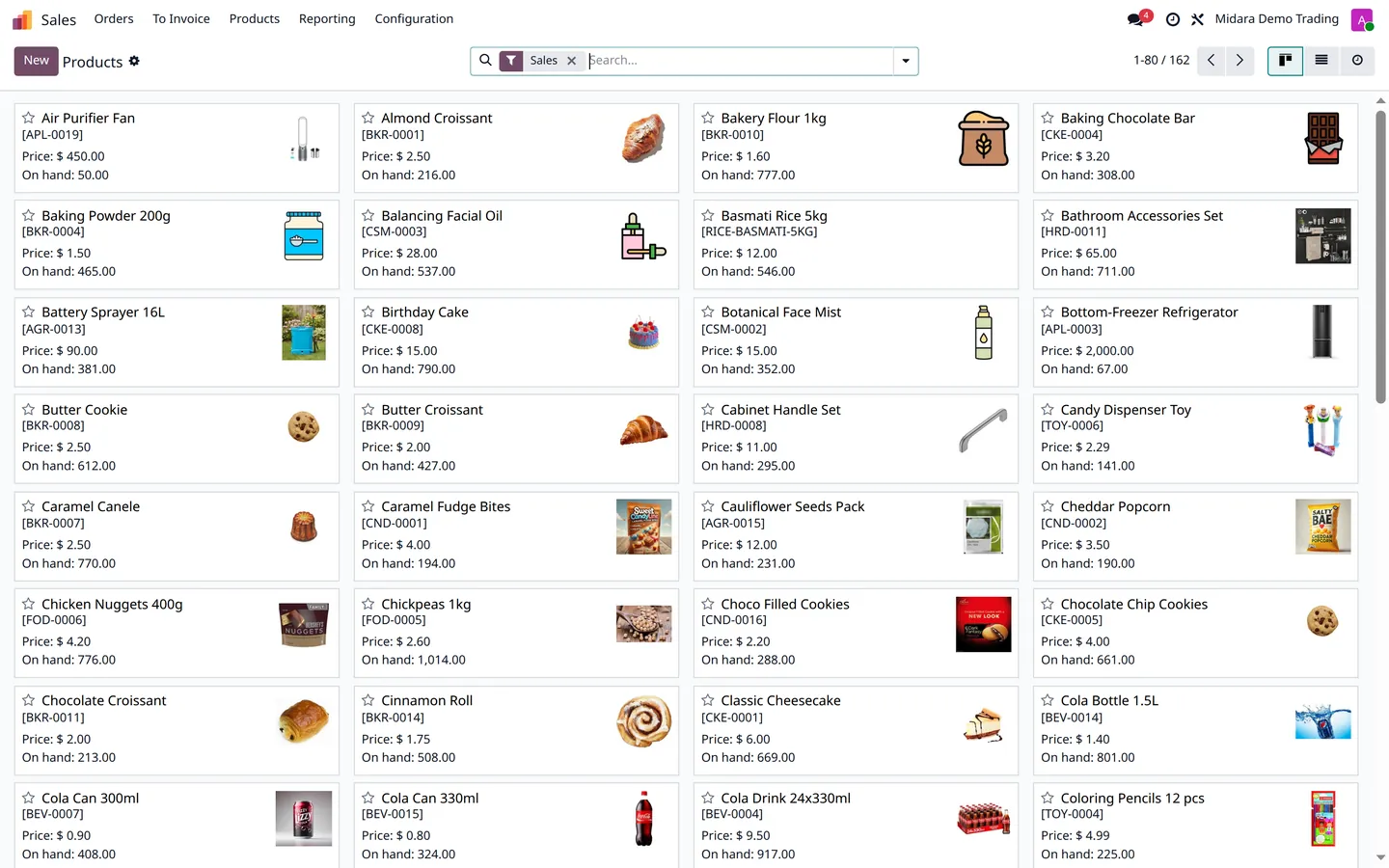
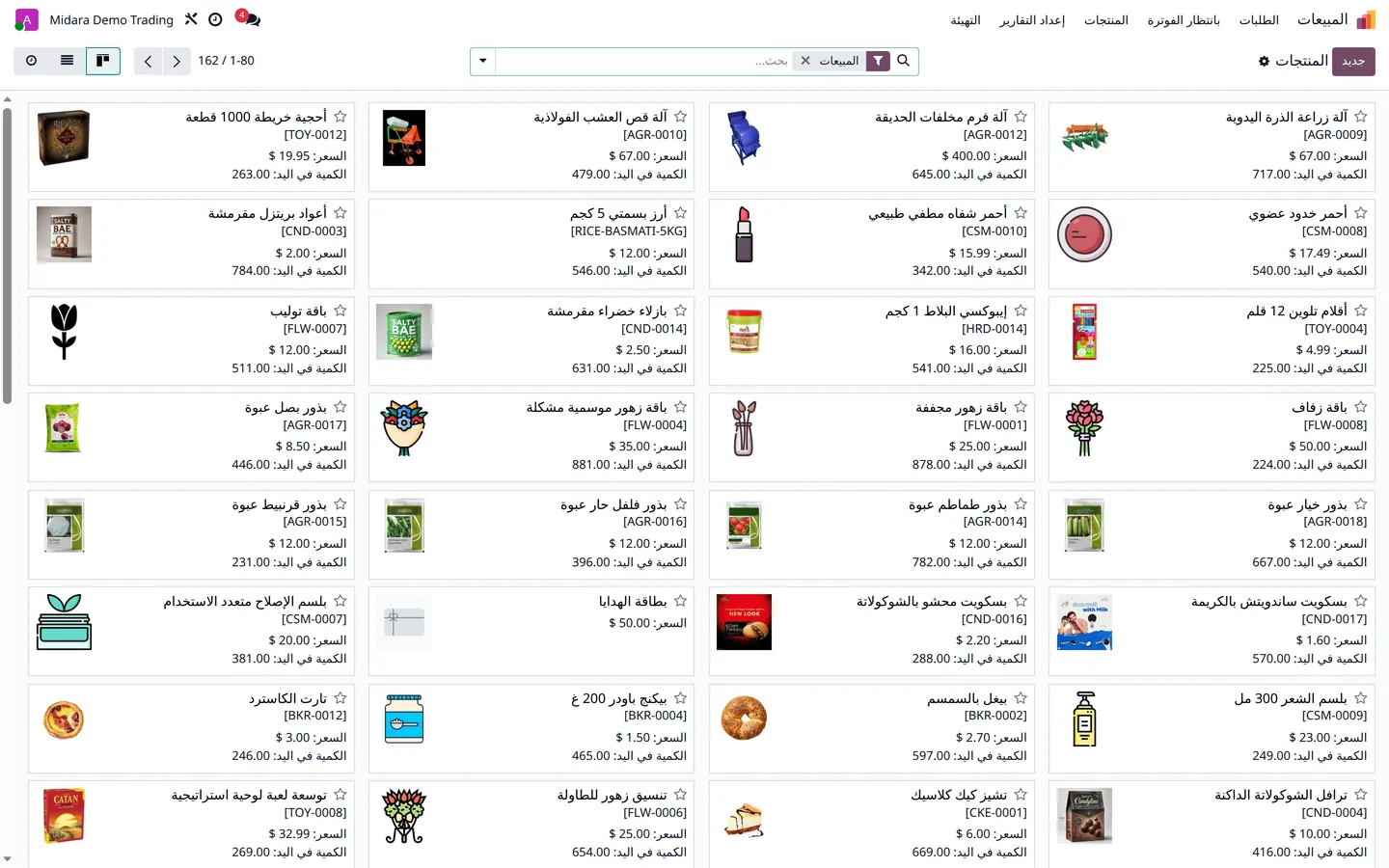
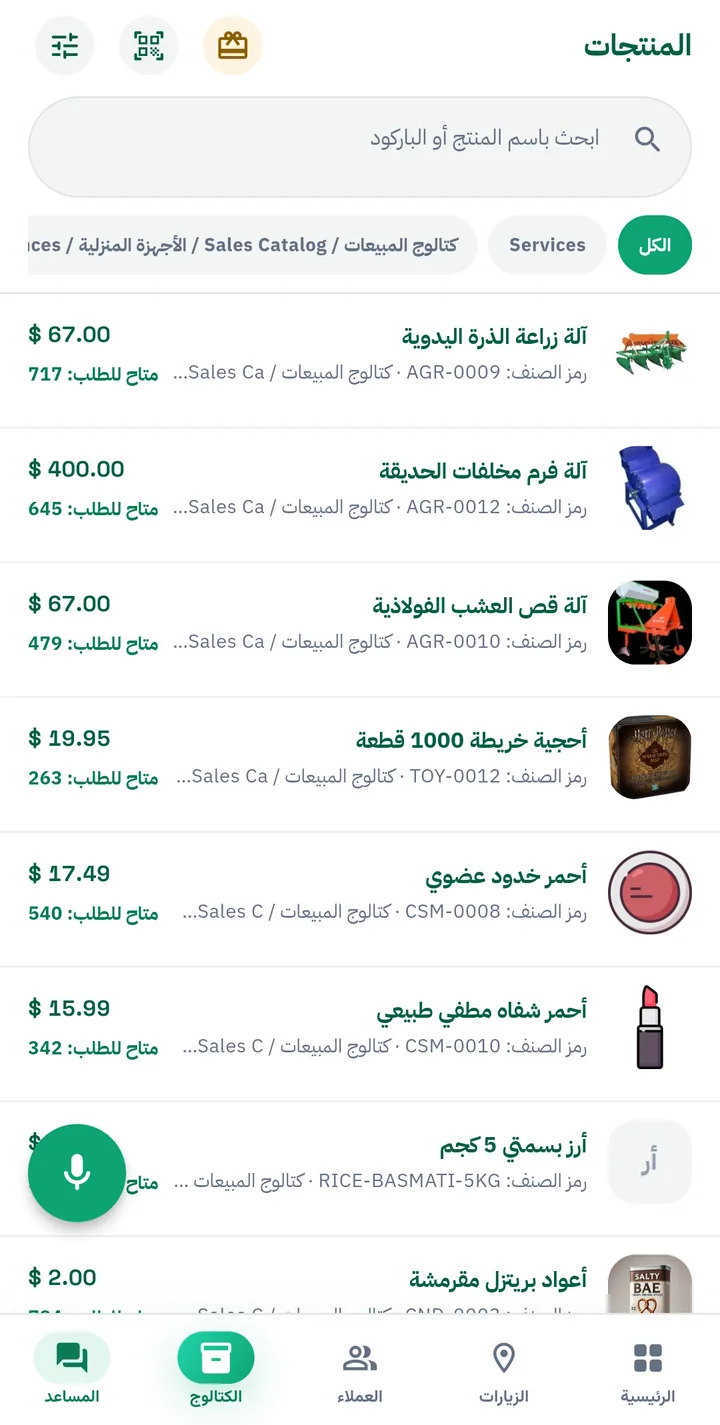
Catalogs, units, price lists, discounts and availability.
Move field orders into the back-office sales cycle.
Read availability and track movements and returns for the intended workflow.
Receivables, invoices, payments and matching status according to access.
Connect identity, teams, companies and territories with the organization structure.
INTEGRATION HUB
Use the connected tools in Midara and discuss additional services around your operation. External systems and providers are assessed against their available interfaces and the agreed project scope.
Maps, directions, geolocation and route planning.
Follow operational notifications; additional communication channels can be scoped as an integration service.
Record collections with the payment methods configured for your Odoo company. External payment-provider connections are scoped separately.
Define the datasets and API exchanges needed for your reporting or analytics tools as part of an integration project.
Mobile printers, barcode and QR for sales and distribution scenarios.
Manage access through Odoo users, companies, teams and permissions; assess external identity requirements during integration planning.
RELIABLE OPERATIONS
Agree the authentication, data mapping, exchange schedule, error handling and acceptance checks for each connection. The integration service is designed around the interfaces your systems actually provide.
Select the authentication supported by the target system and the approved access scope.
Agree when data should move, using the events or scheduled API access available in each system.
Define which exchanges can wait and how interrupted requests should be retried.
Agree the operational records needed to review exchange results and diagnose errors.
Agree identifiers and duplicate-handling rules before enabling repeated exchanges.
Match customer, product, document and status fields to the business rules of both systems.